

I’ve spent more years behind a live table than most operators care to count, and that background is why I keep coming back to the same point: a payout table is only useful if you can actually read it under pressure. When I first started dealing, I watched seasoned punters lose track of paylines because they never paused to check the screen before pressing spin. If you’re learning pokie payout table demo play, you’re doing the sensible thing – testing the layout without burning through your own credit. It’s the same discipline I’d apply to a new deck of cards or a fresh roulette wheel: know the maths before you commit a cent.
Why the Payout Table Deserves Your Attention
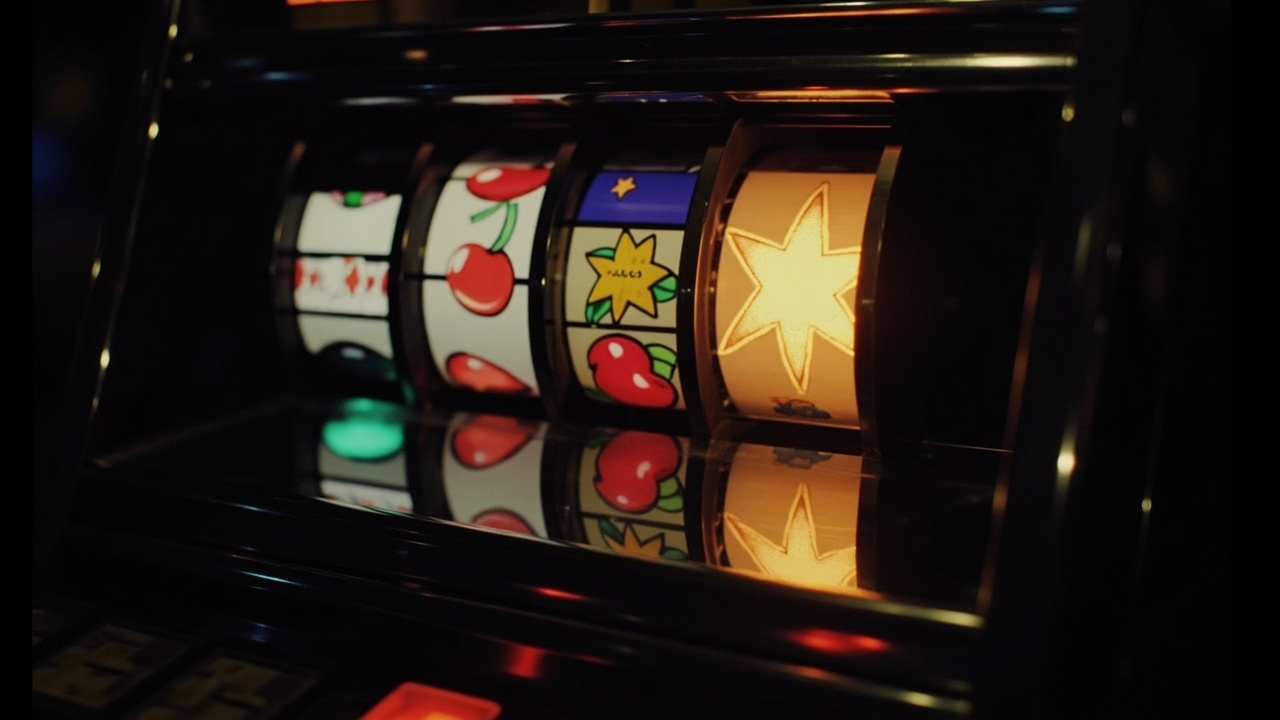
A pokie’s paytable isn’t decoration; it’s the map that tells you what the machine actually rewards and how often. In a busy Melbourne club on a Friday arvo, I’ve seen players tap through bonus rounds without ever noticing that a particular symbol cluster pays left-to-right only, or that the scatter trigger requires three matching icons anywhere on the reels. Demo mode strips away the noise so you can trace those rules at your own pace. You can watch how wild substitutions work, check whether a feature buy exists, and see what the base game actually returns before you ever deposit.
I judge any platform by how clearly it lays out that information on a phone screen, because half the punters I deal with are spinning on a browser or app while waiting for a tram. If the paytable is buried behind three taps or shrinks to an unreadable block on a small display, you’re gambling blind. A proper demo layout lets you scroll through symbol values, read the volatile rating, and confirm the RTP without squinting. That’s the difference between making an informed choice and just feeding coins into a screen because the graphics look flash.
Reading the Screen Without Burning Through Your Balance
Start by opening the demo version on whatever device you’ll actually use most. If you’re on a phone, check that the paytable expands cleanly when you tap it and that the symbols stay legible without constant zooming. A mobile-first layout should keep the spin button reachable with one thumb and let you return to the game screen without losing your place. I’ve watched mates fumble through clunky menus on a commute, and nothing kills your focus faster than fighting the interface instead of reading the rules.
Next, trace the paylines or ways-to-win structure before you press anything. Count how many active lines are in play, note whether wins pay from left to right or in both directions, and check the minimum symbol combination required for a return. Write down the highest-paying symbol and the lowest, because that spread tells you whether the game leans toward frequent small hits or sparse bigger payouts. If you’re learning pokie payout table demo play, this is the moment to slow down and actually map the screen rather than just watching the reels spin for the sake of it.
Finally, test the bonus trigger and any free-spin modifiers in the demo environment. Spin until you see how the scatter lands, whether retriggers are possible, and what multipliers apply during the feature. Keep a rough mental tally of how many base spins it takes to hit the bonus, because that rough frequency is what separates a patient session from a rushed one. No demo will tell you exactly when a feature will drop, but it will show you the conditions the game actually enforces.
What the Table Tells You About Your Own Play Style
The payout table quietly sorts players into different approaches, and that’s where the real value sits. If you prefer steady action with smaller returns, a layout heavy on low-value symbols and frequent wild substitutions will suit you better than a high-variance setup that goes quiet for long stretches. If you’re the type who wants a shot at a bigger feature payout and doesn’t mind dry runs, you’ll want a table that shows a clear bonus trigger and a decent top symbol value. Either way, the demo lets you match the screen to your own patience level before you risk anything.

I’ve seen the same mistake at a roulette layout and on a pokie screen: assuming every bet on the board behaves the same way. In roulette, every bet on the layout shares the same house edge on a single-zero wheel, but pokies don’t work like that – each symbol tier, each payline, and each feature has its own contribution to the overall return. Snake eyes is the nickname for rolling two ones in craps, and it’s a useful reminder that specific combinations carry their own weight. On a pokie, the paytable is the only place that weight gets spelled out, so reading it in demo mode is how you avoid surprises when real money is on the line.
For anyone based around Melbourne, the practical test is simple: can you read the table on a phone while standing in a queue, on a break, or sitting in a local club without needing a laptop? If the answer is yes, you’ve got a layout that respects your time. If you’re still squinting or tapping through hidden menus, you’re better off sticking with demo play until the screen makes sense.
Picking a Setup That Fits How You Actually Play
Choose a demo environment that mirrors the mobile experience you’ll use later, because a clunky phone layout will only frustrate you when real funds are involved. Look for a platform that keeps the paytable accessible, shows the RTP and volatility in plain language, and lets you reset or switch games without hunting through menus. If you’re learning pokie payout table demo play, the right setup should feel like a quiet practice room rather than a crowded floor.
A sensible first pass looks like this:
- Open the demo on the device you use most and confirm the paytable expands without breaking the layout.
- Read the symbol values from lowest to highest and note the top payout.
- Check how wins are formed – lines, ways, or cluster rules – and whether direction matters.
- Spin through enough base games to see how the bonus trigger behaves and whether retriggers are possible.
- Decide whether the pace matches your patience before you ever consider depositing.
That’s the whole exercise. You’re not chasing a guaranteed return; you’re building a clear picture of what the machine asks for and what it pays back, so your next session is a choice rather than a guess. If you want a starting point for a demo-friendly environment, you can check https://royal-commu.com/ and see how their layout handles the paytable on a phone before you the link commit to anything.Understanding Pokies Payout Rates Before You
I’d rather see a player spend an afternoon in demo mode than rush in and wonder why the screen doesn’t match their expectations. Treat the payout table like a rulebook you actually read, match it to your own pace, and let the demo do the heavy lifting before any real money changes hands.